Post-Surgery Recovery: What to Expect After Ptosis Correction

Undergoing ptosis correction surgery is a meaningful step toward a wider and brighter visual field and improved eyelid function, but what happens next is just as important. For many patients, questions about recovery, how long it will take, and how to care for their eyes can feel overwhelming.

The good news is, with proper care and guidance, healing from ptosis surgery is usually straightforward. While everyone’s recovery experience is slightly different, knowing what to expect helps you feel more prepared, confident, and at ease throughout the process.

This page walks you through every stage of post-surgery recovery, from the first 24 hours to the weeks that follow. You will also find answers to common concerns, like managing swelling, activity restrictions, and how soon results will be visible, so you can heal safely and achieve the best possible outcome from your procedure.
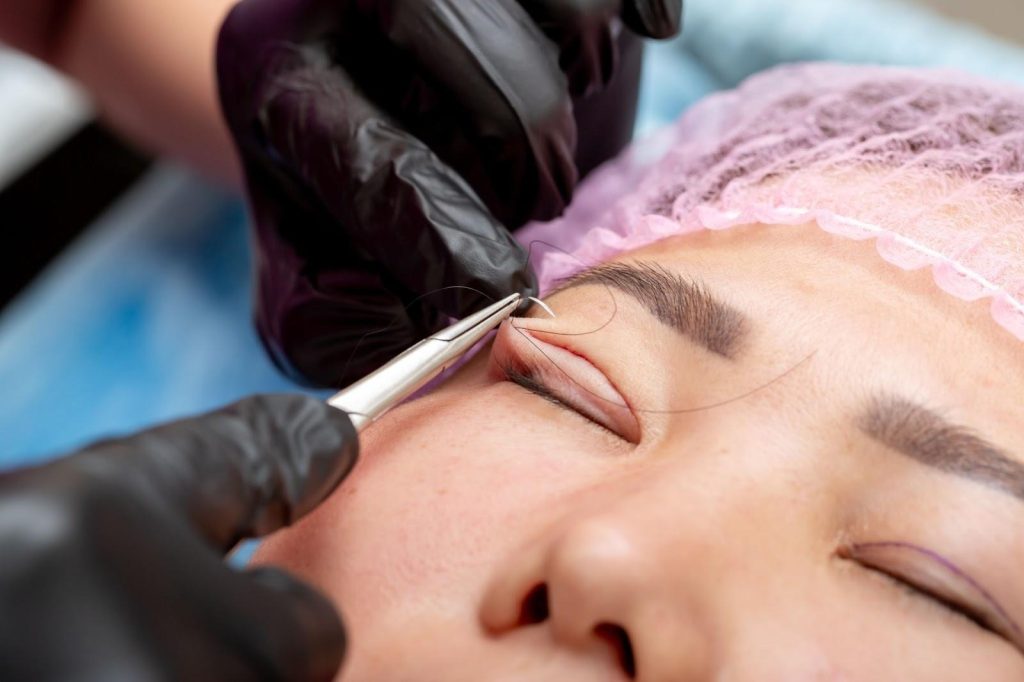
Recovery after ptosis correction is usually smooth, with most swelling and bruising improving within 1 to 2 weeks.

What is the recovery timeline after Ptosis surgery?

Recovery from ptosis surgery is generally smooth, especially when proper post-operative care is followed. While healing experiences can vary slightly from person to person, here’s a general timeline of what to expect:

Healing time after ptosis surgery is typically straightforward when care instructions are followed, and most patients return to normal routines within one to two weeks.

Will there be swelling, bruising, or pain after Ptosis surgery?

Some degree of swelling, bruising, and mild discomfort is completely normal after ptosis surgery. These are expected parts of the healing process and typically subside within the first one to two weeks.

What’s Normal

Applying cold compresses during the first 1–2 days can help reduce swelling and discomfort. Keeping your head elevated while resting also helps promote better drainage and faster healing.

When to Seek Help

While some discomfort is expected, you should contact your clinic if you experience:

At Allure Plastic Surgery, we provide clear aftercare guidance and are available for post-op support to ensure your healing stays on track.

What aftercare is required following Ptosis correction?

Proper aftercare is key to a smooth recovery and the best surgical outcome. While your surgeon will provide detailed post-op instructions, here are some general care tips to keep in mind:

Hygiene and Lifestyle Tips After Ptosis Surgery

Following your aftercare instructions closely helps reduce the risk of complications and supports a faster, safer recovery.

How should I care for my stitches after Ptosis surgery?

Proper care of your stitches after ptosis surgery supports healing, reduces the risk of infection, and helps achieve the best possible outcome. Here’s what you need to keep in mind:

Always follow your surgeon’s instructions for the most accurate and personalised care.

When will I see results from Ptosis surgery?

You may notice immediate improvement in eyelid position right after surgery, but final results take time to settle. Here’s what to expect:

Keep in mind that recovery varies by individual, and your surgeon will monitor your progress during follow-ups.
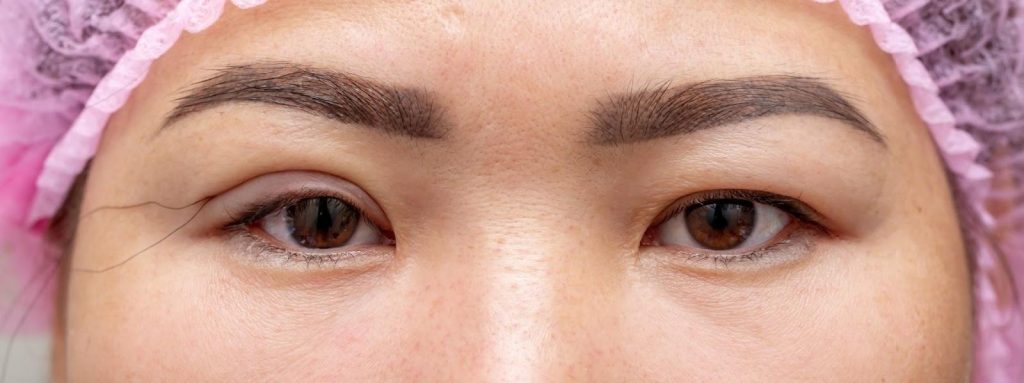
Results After Ptosis Correction Singapore
Visible results from ptosis correction typically appear within 2 to 3 weeks, with final outcomes settling over a few months.

What are the signs something may be wrong after Ptosis surgery?

While most patients recover without issues, it’s important to recognise signs that may indicate a complication. Contact your surgeon promptly if you notice:

Prompt attention can help resolve minor concerns before they become serious. Always follow your surgeon’s post-operative care advice and attend your scheduled follow-ups.

When should I return for follow-up appointments after Ptosis surgery?

Follow-up visits are a crucial part of the recovery process after ptosis correction. They allow your surgeon to monitor healing, assess eyelid positioning, and address any concerns early.

Most patients are advised to return:

If you notice anything unusual between appointments, such as discomfort, drooping, or vision issues, reach out to your clinic for advice or an earlier review. Regular follow-ups help ensure optimal results and long-term eyelid function.

Summary 

Recovering from ptosis surgery involves a gradual healing process that includes temporary swelling, bruising, and changes in eyelid height. With proper aftercare, such as protecting the eyes, keeping the area clean, and attending follow-up appointments, most patients begin to see improvements within a few weeks, with full results typically visible in a few months. 

While mild discomfort is normal, any concerning symptoms like excessive pain, discharge, or asymmetry should be reported to your surgeon promptly. 

If you are planning for ptosis correction or are currently recovering and have concerns, schedule a follow-up or consultation with Allure Plastic Surgery for personalised support and professional care throughout your healing journey.
Frequently Asked Questions (FAQs) 

Yes, ptosis can recur in some cases, especially if the eyelid muscles weaken over time or if the initial correction was minimal. Factors such as age, underlying conditions, or surgical technique can influence recurrence. Regular follow-ups help monitor results and address any changes early.
In rare cases, revision surgery may be needed to improve symmetry or correct under- or over-correction. This is typically assessed after the healing process is complete.
Light walking is usually fine after a few days, but strenuous activities, heavy lifting, and intense workouts should be avoided for at least 2 weeks or until cleared by your doctor.
Most people take about 5 to 7 days off after ptosis surgery to allow bruising and swelling to settle. Downtime may vary depending on your healing speed and the nature of your job or social commitments.
No major changes are usually needed, but being gentle with your eyes and maintaining regular eye checks is encouraged.
Occasional gentle contact is usually harmless, but repeated rubbing can interfere with healing. If you experience pain, bleeding, or worsening swelling, contact your surgeon promptly.
Scarring from ptosis surgery is usually minimal, as the incision is placed along the natural eyelid crease. Over time, it typically fades and becomes barely noticeable.

Living with Ptosis

Living with ptosis can affect more than just the appearance of your eyelid. For many, it brings subtle but persistent challenges, from struggling to keep the eyes open for long periods, to tilting the head in order to see the full field of vision, to coping with the frustration of looking more tired or withdrawn than you actually feel. Whether the condition has developed gradually or been present since childhood, ptosis influences not only how you see the world but also how the world perceives you.

While not every case requires immediate treatment, understanding how ptosis impacts daily life is important. This page offers guidance for managing the physical and emotional aspects of ptosis, what to watch for as it progresses, and how to know when it’s time to seek specialist care.

Ptosis Singapore 
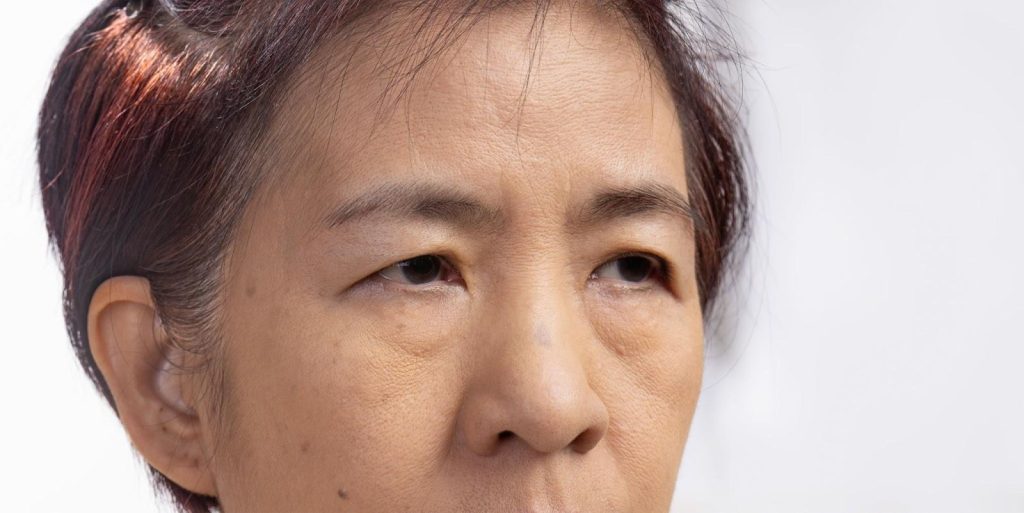
Living with ptosis can affect daily comfort, vision, and confidence, but support and treatment options are available to help you manage it.

What is it like to live with Ptosis daily?

Life with ptosis often means dealing with small but noticeable challenges throughout the day. For some, it starts with the feeling that one eye seems more tired or heavier than the other. For others, it may be the habit of lifting their eyebrows or tilting their head just to see clearly.

Common daily effects include:

Beyond the physical discomfort, ptosis can also affect confidence, especially in social or professional situations where eye contact and facial expression matter. These daily challenges can be subtle but persistent, making it important to understand your options for support and treatment.

Can Ptosis affect my vision and eye comfort?

Yes, ptosis can affect both your visual field and overall eye comfort, especially when the upper eyelid droops far enough to cover part of the pupil. In many cases, the upper field of vision is reduced, making it harder to see things directly above eye level, like traffic lights, overhead signs, or even someone’s face during conversation.

To compensate, many people with ptosis unconsciously develop habits such as tilting their head back, raising their eyebrows, or widening their eyes—actions that can lead to forehead fatigue, eye strain, and tension headaches over time.

In addition, incomplete eyelid closure or prolonged effort to keep the eyes open can contribute to dryness, irritation, or a gritty sensation. If these symptoms persist or begin to interfere with your daily routine, it’s worth seeking medical advice.

Does Ptosis affect confidence or appearance?

For many individuals, ptosis isn’t just a physical condition; it also affects how they feel about themselves. A drooping eyelid can create the appearance of tiredness, disinterest, or uneven facial expression, even when you are feeling alert and engaged.

In social or professional settings, this can lead to self-consciousness, especially when others mistakenly assume you are fatigued, unwell, or unapproachable. For teens and working adults, ptosis may impact self-esteem, making them more reluctant to engage fully in conversations, photos, or public interactions.

Although every person experiences ptosis differently, it's common for individuals to feel a sense of frustration or embarrassment over how their appearance is perceived. If these emotional effects are persistent, discussing options with a specialist can help restore both visual function and confidence.

Can Ptosis get worse over time if left untreated?

In some cases, ptosis remains stable for years. In others, it may progress gradually, especially if it's related to ageing, muscle weakness, or a neurological condition. Over time, the eyelid may droop further, leading to increased visual obstruction or more noticeable asymmetry between the eyes.

Straining to keep the eyes open, through constant eyebrow lifting or head tilting, can lead to muscle fatigue, tension headaches, and even changes in posture. These compensatory habits may worsen the physical effects of the condition.

If ptosis is mild and not affecting your vision or quality of life, it may just require monitoring. But if the drooping is worsening or beginning to interfere with daily function, it’s best to seek medical evaluation to understand your options.

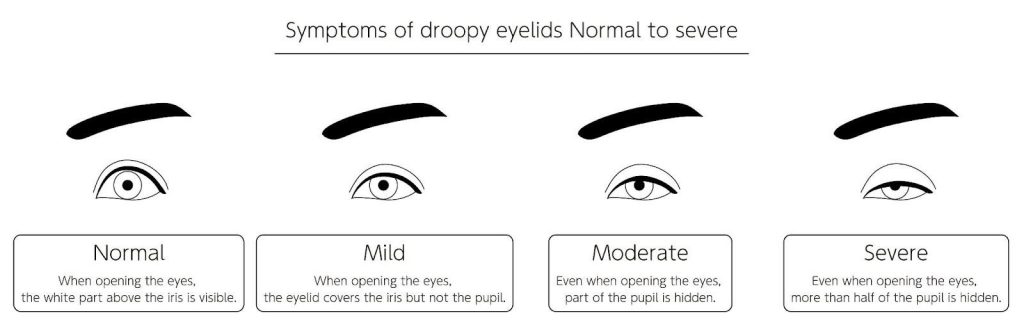
While mild ptosis may not require treatment, more advanced stages, where the eyelid covers part or most of the pupil, can interfere with vision and may need medical attention.

Are there ways to manage Ptosis without surgery?

While surgery is the most effective solution for moderate to severe ptosis, there are non-surgical options that may help manage mild cases or provide temporary relief.

These non-surgical ptosis management strategies are generally supportive or temporary and are best discussed with a specialist to determine whether they are suitable for your condition.

What should parents know about Ptosis in children?

Ptosis in children isn’t just a cosmetic concern; it can impact how their eyes develop and how they function in everyday life. Recognising the signs early and seeking specialist care can make a meaningful difference.

When should I see a specialist about Ptosis?

If a drooping eyelid starts interfering with how you see, how your eyes feel, or how you feel about your appearance, it’s time to speak with a specialist. Ptosis isn’t just a cosmetic concern; it can affect daily comfort, vision, and confidence.

Red Flags to Watch For in Ptosis 

Impact of Ptosis on Quality of Life

Many people with ptosis adapt without realising how much it’s affecting them, until it starts limiting daily tasks or causing visual discomfort. If you find yourself avoiding photos, struggling to see clearly, or feeling self-conscious, professional evaluation can help.

Ptosis tends to worsen slowly, but in some cases, it can signal underlying nerve or muscle issues. Early diagnosis ensures timely treatment and may prevent long-term complications, especially in children or older adults.

Summary 

Living with ptosis can be frustrating, especially when it limits your visual field, causes fatigue, or affects your confidence. From the physical strain of constant head tilting and eye fatigue to the emotional impact of appearing tired or unbalanced, its effects can reach far beyond appearance. While some people manage with supportive measures like crutch glasses or lubricating drops, these options are usually temporary.

Children with ptosis require early attention to protect visual development, and adults should seek care when symptoms begin to interfere with comfort or quality of life. Ptosis doesn’t have to define your daily experience — from non-surgical support to lasting correction, effective solutions and compassionate care are available to help you move forward with confidence.

Concerned About How Ptosis Is Affecting Your Life?

Book a consultation with Allure Plastic Surgery to explore your options, whether it’s monitoring, managing, or planning for surgical correction.

Frequently Asked Questions (FAQs) 

Mild cases of acquired ptosis may improve if caused by fatigue or temporary nerve issues, but most cases require medical evaluation and do not resolve without treatment.
Yes, age-related ptosis (involutional ptosis) often progresses over time due to weakening of the eyelid muscles and connective tissues.
Yes. Constantly tilting the head or raising the eyebrows to compensate for droopy eyelids can lead to tension headaches or neck discomfort.
In some cases, ptosis can signal underlying neurological or muscular disorders. Sudden onset or worsening should always be evaluated by a specialist.
Yes, but some people may find it uncomfortable or notice eyelid interference with lens placement. A consultation can help assess suitability.
If ptosis blocks your upper field of vision, it can make tasks like driving, reading, or using screens more difficult, especially in low light.
Makeup techniques, crutch glasses, and posture changes may help minimise the appearance temporarily, but they don’t address the root cause.
Treatment depends on severity and whether vision is affected. In some cases, early surgical correction is recommended to prevent amblyopia.

Hidden Ptosis Discovered During Double Eyelid Consultation

Many patients seeking double eyelid surgery are focused on enhancing eyelid appearance. But in some cases, a deeper functional issue may exist — one that can go unnoticed without a careful evaluation. This case shares the story of a patient who came to Allure Plastic Surgery for a cosmetic request and left with a life-changing diagnosis: hidden ptosis.

The Patient’s Concern — “I Just Want Bigger, Brighter Eyes”

A 34-year-old female patient visited our clinic requesting double eyelid surgery. She felt that her eyes often looked tired and “uneven” in photos, and hoped that creating a defined crease would give her a more refreshed, symmetrical appearance. She had no history of eye disease and was otherwise healthy.

Initial Clinical Assessment — Something Wasn’t Right

During her consultation with Consultant Plastic Surgeon Dr Samuel Ho, standard eyelid and facial measurements were taken, including MRD1 (margin reflex distance), levator muscle function, and brow position. While her concern was purely aesthetic, Dr Ho noticed a subtle drooping of the right upper eyelid that was not due to skin excess alone.

This mild droop contributed to her tired look. It was a case of hidden unilateral ptosis — a condition in which the eyelid muscle does not provide enough lift, often masked by compensatory habits like raising the brows or tilting the head.

The Diagnosis — Hidden Ptosis

Unlike moderate or severe ptosis, hidden ptosis is easily missed because patients often adapt without realising it. This patient had been unconsciously lifting her brows and tilting her head to open her eyes wider. If a standard double eyelid procedure had been performed without addressing the underlying weakness, the result could have been greater asymmetry and dissatisfaction.

The Revised Surgical Plan

Instead of performing double eyelid surgery alone, Dr Ho recommended a combined approach: levator plication ptosis correction with double eyelid creation. This would correct the underlying droop while also creating the crease the patient wanted, ensuring symmetry, openness, and lasting results.

The Results — Brighter, Balanced, and Functional

Surgery was successful. The patient achieved both a natural crease and improved eyelid symmetry. Post-operatively, she described her eyes as feeling “lighter” and more open. She no longer had to strain her brows or worry about looking sleepy in photos. Most importantly, a functional problem she hadn’t been aware of was resolved.

At follow-up, she shared:

“I thought I just needed double eyelid surgery, but now I realise my eyes were struggling to stay open all these years. I feel like I finally have a wider, brighter visual field, and I don’t look tired all the time.”

Her experience underscores the importance of thorough eyelid assessment before any cosmetic procedure. What may appear to be a simple crease concern can sometimes be linked to underlying muscle weakness or functional ptosis. Identifying and addressing both ensures not just a better aesthetic outcome, but also lasting comfort and improved visual quality.

[If the doctor has any patient’s after procedure photos, we can add them here] 

Summary 

Hidden ptosis is not uncommon, particularly in patients seeking eyelid enhancement. Without proper identification and correction, standard cosmetic procedures may yield suboptimal results or even create new asymmetry.

At Allure Plastic Surgery, every eyelid consultation includes a detailed clinical evaluation, not just for cosmetic balance, but for function. This ensures that all underlying issues are addressed and that patients receive results that are not only beautiful but lasting and comfortable.

If you have been told you need double eyelid surgery, but something still feels off, book a consultation with Dr Samuel Ho at Allure Plastic Surgery. You may be dealing with more than just skin or crease concerns. Let us help you see and feel your best.

Frequently Asked Questions (FAQs) 

Can ptosis be missed during a double eyelid consultation?

Yes, especially if it’s mild or masked by the natural eyelid shape. That’s why a detailed clinical assessment is essential before any cosmetic procedure.

What are the signs of hidden ptosis?

Symptoms may include a tired or uneven appearance, difficulty keeping eyes open, or asymmetry that doesn’t resolve with double eyelid surgery alone.

Can ptosis and double eyelid surgery be done together?

Yes, in many cases, both can be addressed in the same procedure, especially when done by a surgeon experienced in functional and aesthetic eyelid surgery.

Will correcting ptosis change the appearance of my double eyelids?

Yes, in a positive way. Correcting ptosis improves eyelid height and symmetry, making the double eyelid crease appear more balanced and natural.