Wisma Atria #22-04
Mon-Thu: 10AM - 6PM | Fri: 10AM - 8PM | Sat: 10AM - 3PM | Sun & PH: Closed 

Ptosis Surgery Singapore: Specialist Care for Droopy Eyelids

Dr Samuel ho

Restore vision, comfort & confidence
with care from a trusted Plastic Surgeon

Droopy eyelids (ptosis) can blur vision, cause eye fatigue, and affect your natural expression. Dr Samuel Ho provides precise ptosis correction tailored to your condition, helping you see clearly, feel comfortable, and look good.

Consult Dr. Samuel Today

20 Years

of Experience

EXTENSIVE PTOSIS SURGERIES

Performed

first plastic surgeon

Awarded Cosmetic Surgery HMDP Fellowship
Trained under

top plastic surgery centres

in Korea

Ptosis correction is not just a procedure, it’s a commitment to restoring your vision, comfort, and confidence with precision and care. Led by Consultant Plastic Surgeon Dr Samuel Ho, our clinic combines medical expertise with a patient-first approach to deliver outcomes that look natural and feel right.

Dr Samuel Ho

Consultant Plastic Surgeon
Read more about Dr Samuel Ho
Droopy Eyelid

What is Ptosis?

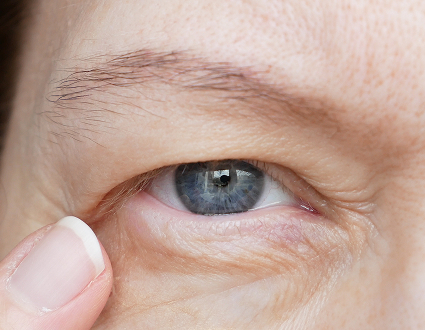
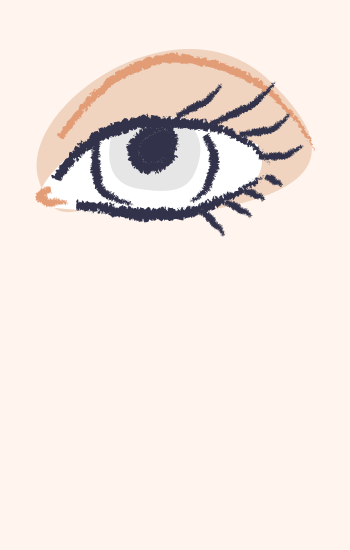
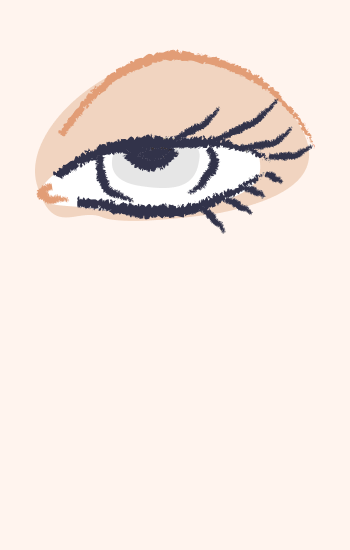
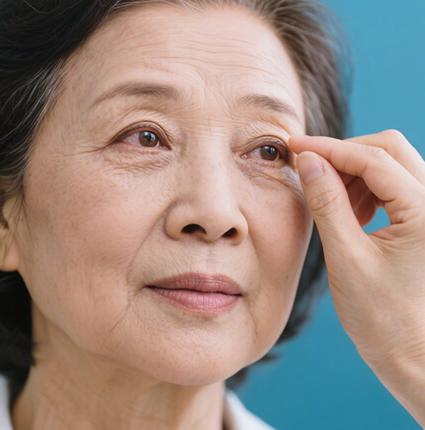
Ptosis is the medical term for drooping of the upper eyelid. It can affect one or both eyes and may range from a slight sag to a lid that fully covers the pupil. When the eyelid droops too low, it can block vision, cause eye fatigue, and create a tired or uneven appearance.

It’s more than a cosmetic concern; ptosis can interfere with daily life, especially if it causes strain or limits your field of vision.

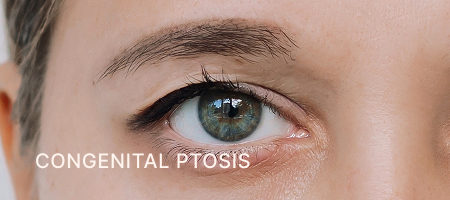
Types of Ptosis:
  • Present from birth
  • Often due to poor development of the eyelid lifting muscle (levator)
  • May lead to lazy eye (amblyopia) if severe and left untreated

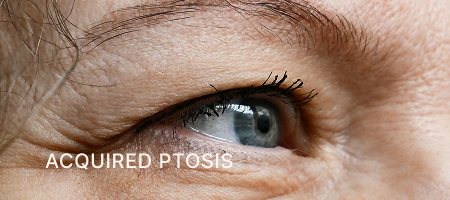
Occurs later in life and may be caused by:

  • Aponeurotic ptosis - most common type in adults; due to stretched or weakened eyelid tendons
  • Neurogenic ptosis – caused by nerve or muscle disorders
  • Mechanical or traumatic ptosis – from injury or heavy tissue pulling the lid down
Each type of ptosis requires a tailored approach, whether for functional improvement, cosmetic balance, or both.

Severity of Ptosis

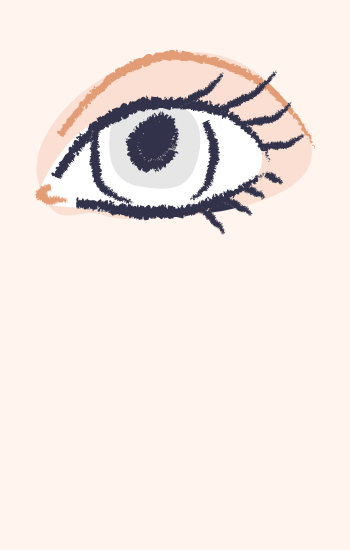
The severity of ptosis is classified based on how much the eyelid droops and how much it affects vision. This is often measured using MRD1 (Margin Reflex Distance 1)—the distance between the centre of the pupil and the upper eyelid margin.
It may be classified as:

MILD

MRD1:          3-4 mm

Eyelid droops slightly but typically does not block vision.

MODERATE

MRD1:          1-2 mm

Eyelid partially covers the pupil and may cause visual disturbance.

SEVERE

MRD1:          ≤ 1 mm

Eyelid covers most or all of the pupil, significantly imparing vision.
This classification helps determine whether ptosis correction is needed for functional or cosmetic reasons, or both.

When is Ptosis a Concern?

Ptosis should be evaluated by a doctor if:
  • It affects vision, especially in children, as it may lead to amblyopia (“lazy eye”) or developmental issues.
  • It causes eye strain or brow fatigue from trying to lift the eyelid.
  • It is visibly asymmetrical or impacts facial appearance significantly.
  • It appears suddenly, which may signal an underlying neurological or muscular condition (e.g., Horner’s syndrome, myasthenia gravis, or third nerve palsy).
Consult Dr. Samuel Today

EFFECTS OF PTOSIS

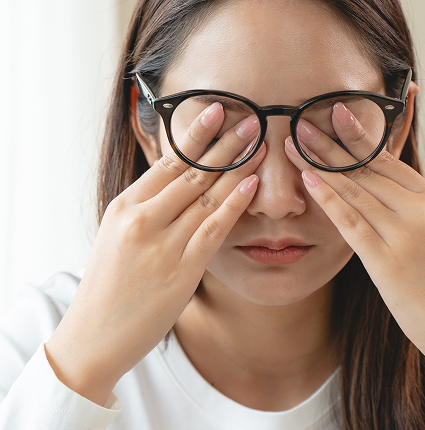
Ptosis can affect both vision and facial appearance. If the upper eyelid droops too low, it may partially or fully block the pupil, leading to blurred vision, eye strain, or needing to tilt the head to see better.

In children, severe ptosis may cause amblyopia (lazy eye). In adults, it can interfere with tasks like reading or driving. Cosmetically, ptosis may affect symmetry and lower self-confidence.

HOW IS PTOSIS TREATED?

Treatment depends on the cause and severity:

  • Observation – for mild, non-vision-blocking cases
  • Eyeglass ptosis crutch – a non-surgical option for support
  • Eyelid surgery – e.g. levator repair or frontalis sling
  • Medical treatment – for underlying causes like myasthenia gravis
  • Botox – in rare cases, may be used to adjust eyelid position temporarily, particularly when treating eyelid retraction or after certain surgeries.
Consult Dr. Samuel Today

WHAT TO EXPECT FROM PTOSIS CORRECTION PROCEDURE

Wider and brighter visual field
Ptosis correction is typically a same-day procedure under local anaesthesia. The surgeon adjusts the levator muscle to lift the eyelid to a better height. Most patients notice improved vision and symmetry, with minimal downtime.
Consult Dr. Samuel Today
OUTPATIENT PROCEDURE
– done under local anaesthesia
TAKES ABOUT 30–60 MINUTES PER EYE
SMALL INCISION MADE
– within the eyelid crease
TIGHTENING OR REATTACHING
– of the eyelid lifting muscle
MILD SWELLING OR BRUISING
– usually settles within a week
RECOVERY TIME
–  1 to 2 weeks for most activities
IMPROVED EYELID HEIGHT AND SYMMETRY
FOLLOW-UP NEEDED
– to check healing and function
Contact us
+65 6734 9988
435 Orchard Road #22-04 Penthouse Floor Wisma Atria Singapore 238877
get directions

Mon-Thu : 10am - 6pm
Fri : 10am - 8pm
Sat : 10am - 3pm
Sun & PH : Closed

crosschevron-down