Wisma Atria #22-04
Mon-Thu: 10AM - 6PM | Fri: 10AM - 8PM | Sat: 10AM - 3PM | Sun & PH: Closed 
Ptosis (Droopy Eyelid) & Causes

- Droopy Eyelid Cause

AVG. RECOVERY
| 2 TO 3 WEEKS
PERMANENCE
| YES
SURGICAL
| YES
MEDISAVE/INSURANCE CLAIMABLE
| YES
contact us

If you have noticed one of your eyelids starting to droop, whether gradually or all of a sudden, it's natural to feel concerned. It may affect your appearance, make your eyes feel tired, or even start to interfere with your vision. In some cases, the change is mild and easily overlooked. In others, it can be more noticeable or uncomfortable, especially when trying to read, drive, or stay focused through the day.

This condition is known as ptosis. It can appear at any age and may be linked to age-related changes, muscle weakness, nerve problems, or structural issues around the eyelid. While not always serious, ptosis is something worth paying attention to and understanding why it happens is the first step toward managing it appropriately.

What is Ptosis? 

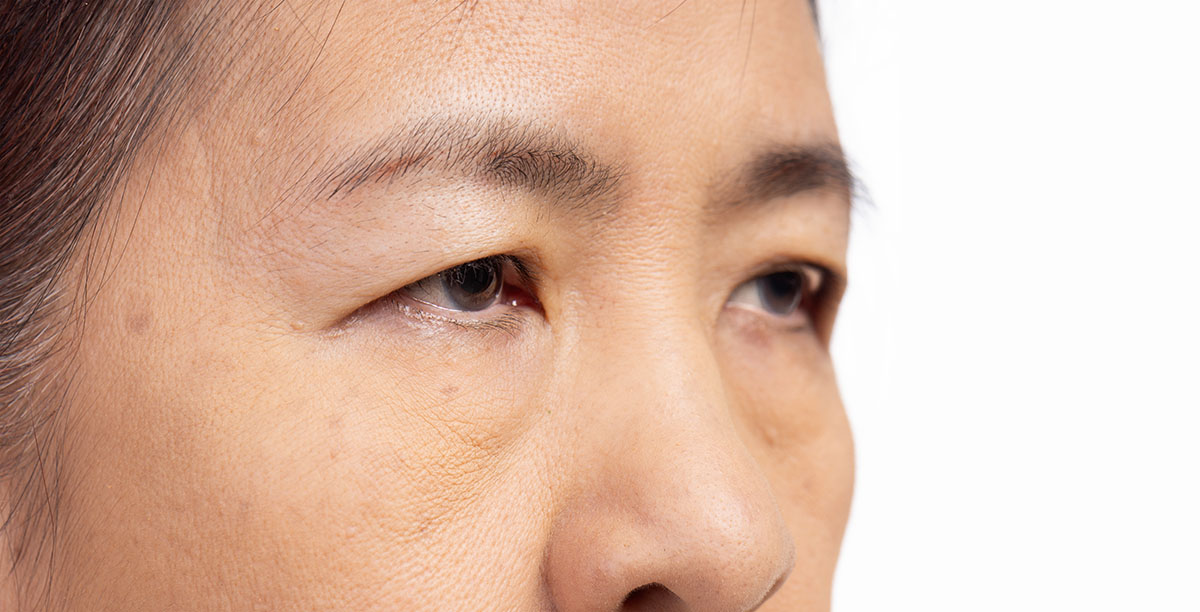
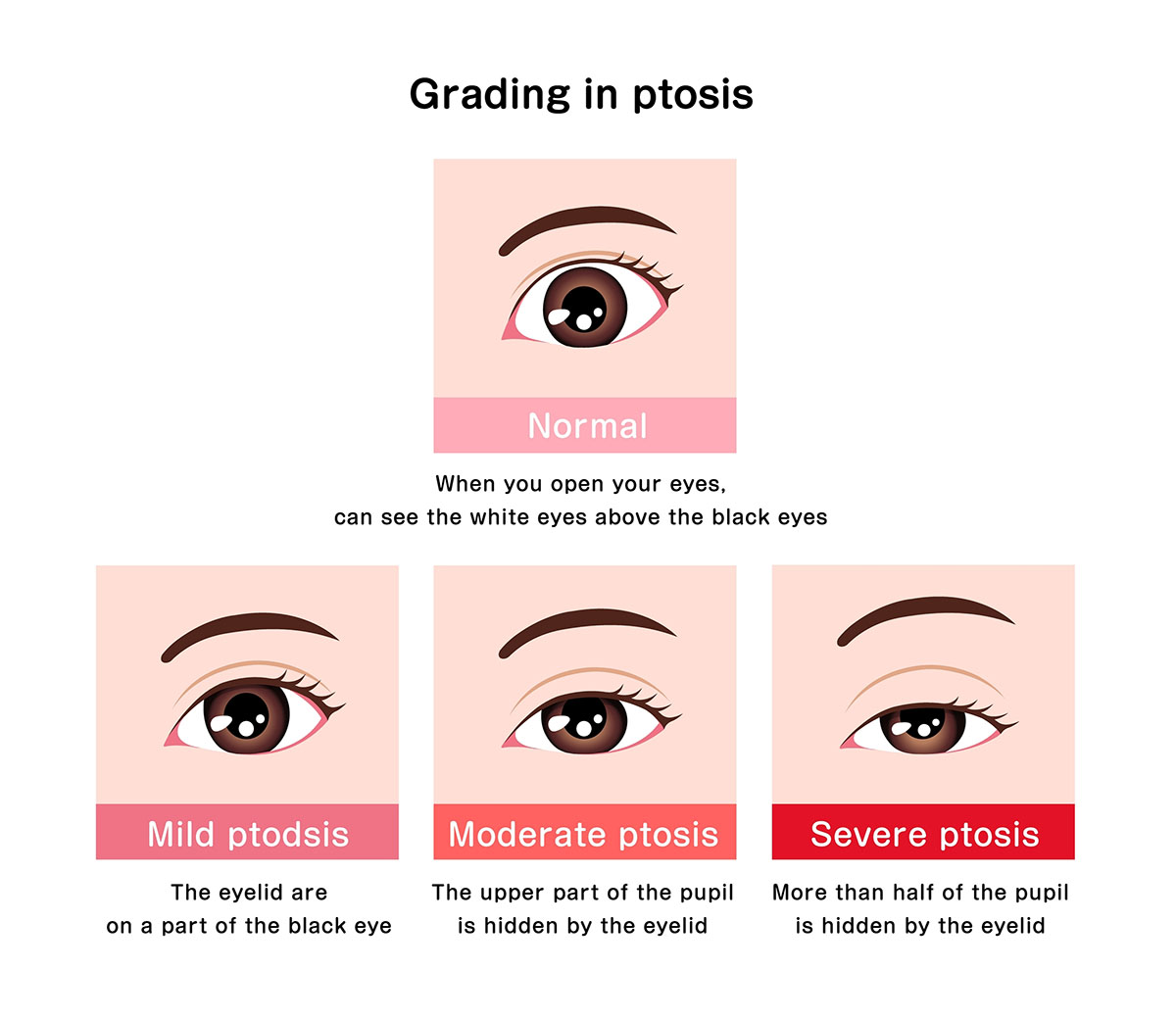
Ptosis refers to the drooping of the upper eyelid, where the eyelid margin sits lower than normal and may partially cover the eye. This condition can affect one eye (unilateral) or both eyes (bilateral), and the degree of drooping can vary from mild to severe. In more significant cases, ptosis may obstruct vision or lead to visual fatigue.

It’s important to distinguish ptosis from general eyelid sagging caused by ageing. While the skin and soft tissues around the eyes naturally lose elasticity over time, resulting in loose or hooded eyelids, true ptosis involves the eyelid margin itself descending due to issues with the muscles or nerves responsible for lifting the lid.

Ptosis is broadly classified into two main types:
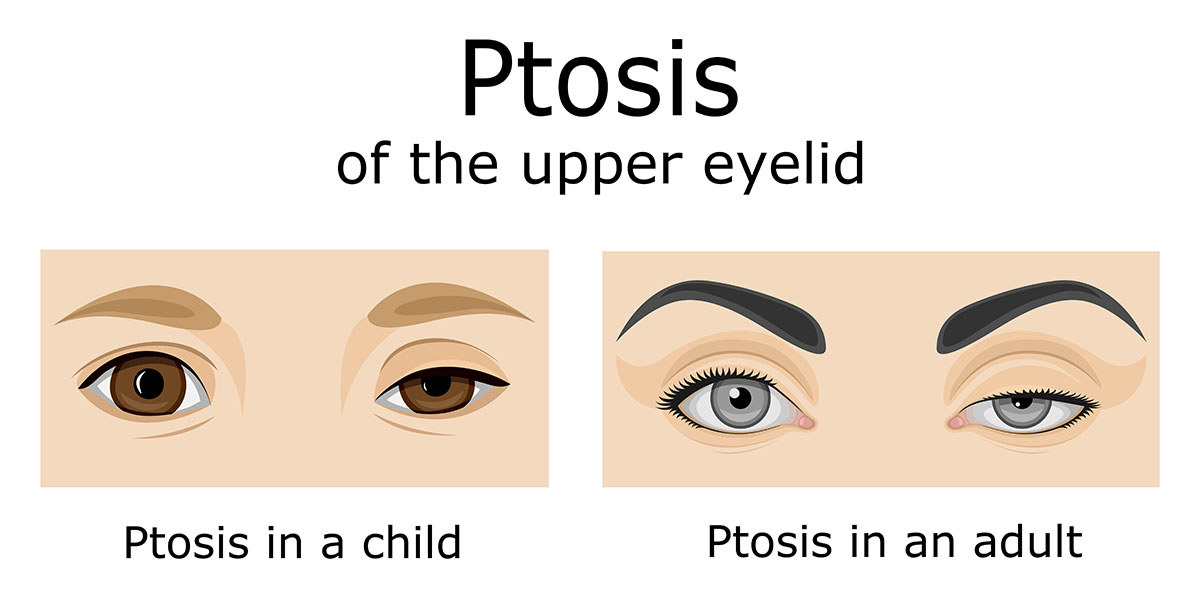
  • Congenital Ptosis — this form of ptosis is present at birth and is usually the result of improper development of the levator muscle, the muscle responsible for lifting the upper eyelid. Children with congenital ptosis may have limited eyelid movement and may compensate by tilting their head back or lifting their eyebrows. In some cases, it can affect visual development if not monitored and managed appropriately.
  • Acquired Ptosis — Acquired ptosis develops later in life and has a wider range of causes. These include age-related weakening of the levator muscle, nerve dysfunction, trauma, or underlying medical conditions such as myasthenia gravis. Acquired ptosis may progress gradually or appear suddenly, depending on the cause, and it is more commonly seen in older adults.

What causes Ptosis? 

Ptosis can result from a range of underlying issues involving the muscles, nerves, or structural support of the eyelid. In some cases, the cause is present from birth. In others, it may develop later due to ageing, injury, or neurological conditions. Understanding the root cause is essential in determining whether further assessment is needed.

  • Age-related muscle weakening — one of the most common causes of ptosis in adults is involutional or age-related ptosis. Over time, the levator muscle or its tendon may stretch or weaken, leading to gradual drooping of the upper eyelid. This form of ptosis often occurs alongside other signs of facial ageing but involves the actual muscle or its attachments, not just skin laxity.
  • Nerve damage or dysfunction — Ptosis may occur when the nerves that control eyelid movement are affected. For example, a problem with the oculomotor nerve (cranial nerve III), which innervates the levator muscle, can lead to significant eyelid drooping. Conditions such as Horner’s syndrome or third nerve palsy are examples where nerve involvement results in ptosis.
  • Muscle disorders — certain neuromuscular conditions can impair the function of the muscles responsible for lifting the eyelid. Myasthenia gravis is one such condition, where a communication problem between nerves and muscles leads to fluctuating weakness, often including ptosis as an early sign.
  • Trauma or eyelid injury — physical injury to the eyelid or surrounding structures can damage the levator muscle or its attachments, leading to drooping. Post-surgical ptosis can also occur, particularly after procedures involving the eye or eyelid.
  • Congenital muscle abnormality — in cases of congenital ptosis, the levator muscle fails to develop properly before birth. This leads to limited eyelid elevation from infancy and may be accompanied by other anatomical differences in the eyelid structure.
  • Mechanical factors — sometimes, the eyelid droops simply because of excess weight or resistance. A mass, tumour, swelling, or thickened skin on the upper eyelid can physically weigh it down, a condition referred to as mechanical ptosis.

What are the symptoms of Ptosis? 

The most obvious sign of ptosis is a visible drooping of one or both upper eyelids. However, the condition may also cause a range of other symptoms, depending on its severity, underlying cause, and whether one or both eyes are affected. In some cases, symptoms are mild and cosmetic. In others, ptosis may interfere with normal vision or lead to physical discomfort.

Common symptoms include:

  • Drooping of the upper eyelid that may partially or fully cover the eye
  • Reduced upper field of vision, particularly when looking straight ahead or upward
  • Eye fatigue or heaviness, especially after prolonged use of the eyes
  • Frequent raising of the eyebrows in an attempt to lift the drooping lid
  • Tilting of the head backwards to improve vision, especially in children
  • Uneven appearance of the eyes, which may affect facial symmetry
  • Irritation or dryness, if the eyelid interferes with normal blinking or closure

In children, uncorrected ptosis may also affect visual development, potentially leading to conditions such as amblyopia (lazy eye) or astigmatism.

Get your Ptosis corrected

Improve vision & enhance appearance

Talk to Dr Samuel Ho

20 Years

of Experience

10,000 Ptosis Surgeries

Performed

First & Only Plastic Surgeon awarded

Performed
Trained under

top plastic surgery centres

in Korea

Who can get Ptosis?

Ptosis can affect individuals at any stage of life, from infancy to old age. The condition may be present at birth (congenital ptosis) or develop later due to age-related changes, injury, or underlying medical conditions (acquired ptosis). It can occur in one eyelid (unilateral ptosis) or both (bilateral ptosis), and the degree of drooping may vary widely.

  • Infants and children — congenital ptosis is typically caused by poor development of the levator muscle. In some cases, the drooping is mild and primarily cosmetic. In others, it can interfere with visual development, increasing the risk of conditions like amblyopia (lazy eye). Early evaluation is essential to monitor vision and determine whether treatment is needed.
  • Adults — acquired ptosis is most commonly seen in adults, often as a result of gradual weakening or stretching of the eyelid’s lifting mechanism. This can occur due to natural ageing, trauma, or certain medical conditions. Adults may notice changes in facial symmetry or experience visual fatigue over time.
  • Older adults — in the elderly, ptosis is frequently linked to age-related degeneration of the levator muscle or its tendon. This form of ptosis may progress slowly and is often mistaken for general eyelid sagging. It can lead to restricted vision or discomfort if left unaddressed.

Is Ptosis always a medical problem?

Not always. In many cases, ptosis is mild and mainly affects appearance. But in others, it can interfere with vision or signal an underlying medical condition.

  • When ptosis is likely harmless —  if the drooping develops slowly, doesn’t affect vision, and there are no other symptoms, it’s often age-related and not dangerous. These cases are usually cosmetic.
  • When ptosis may be a sign of something more serious — if ptosis appears suddenly, gets worse, or comes with symptoms like double vision or difficulty moving the eye, it could point to a nerve or muscle problem. In such cases, medical evaluation is important.
  • In children — even mild ptosis in children can affect how the eye develops. If the eyelid blocks vision, it may lead to conditions like amblyopia (lazy eye).

So, is ptosis dangerous?

Usually no, but it can be. If you’re unsure, it’s best to have it assessed. Early evaluation helps determine whether it’s just cosmetic or if further testing is needed.
Can Ptosis get worse over time?

Yes, ptosis can worsen in some cases, though not always. It depends on the underlying cause and how the eyelid muscles or nerves are functioning over time.

  • Stable ptosis — some forms of ptosis, especially congenital cases or age-related drooping, may remain unchanged for years. If it’s mild and doesn’t affect vision, it often stays stable.
  • Progressive ptosis — in other cases, the eyelid drooping may slowly increase. This is more common in age-related or muscle-related ptosis, where the eyelid gradually becomes heavier or harder to lift.
  • Worsening ptosis as a concern — if you have noticed that the drooping is getting worse, affecting both eyes, or causing new symptoms like eye strain or blurred vision, it could indicate an underlying issue that needs to be addressed.

Will a droopy eyelid go away on its own?

In most cases, ptosis does not improve without treatment. If the cause is temporary (like fatigue or swelling), it may resolve, but true ptosis caused by muscle or nerve changes usually persists.

If you are unsure whether your ptosis is stable or worsening, it's best to have it reviewed by a specialist.

Summary

Ptosis, or drooping of the upper eyelid, can occur at any age and may range from a mild cosmetic concern to a condition that affects daily vision and comfort. It may be present from birth or develop over time due to ageing, muscle weakness, nerve involvement, or other underlying causes. While some cases remain stable, others may gradually worsen and deserve closer attention. Understanding what ptosis is and recognising its possible causes is the first step toward proper care.

If you have noticed changes in your eyelid position or are concerned about ptosis affecting your vision or appearance, schedule a consultation with Allure Plastic Surgery to explore your options for further evaluation and personalised care.

Frequently Asked Questions (FAQs)

What is the cause of ptosis?

Ptosis can be caused by muscle weakness, nerve damage, or structural issues in the eyelid. It may be congenital or acquired later in life.

Read More
Can ptosis go away on its own?

Most cases of ptosis do not resolve without treatment. If caused by fatigue or swelling, it may improve temporarily.

Read More
What vitamin deficiency causes droopy eyelids?

There is no direct link between vitamin deficiency and true ptosis. However, general fatigue or muscle weakness from low B12 may mimic similar symptoms.

Read More
Which nerve is affected in ptosis?

The oculomotor nerve (cranial nerve III) controls the levator muscle. Damage to this nerve can lead to ptosis.

Read More
Is ptosis a sign of a neurological problem?

It can be. Sudden or worsening ptosis may signal an underlying nerve or neuromuscular condition and should be assessed.

Read More
Can ptosis affect both eyes?

Yes, ptosis can affect one or both eyes depending on the cause. Bilateral ptosis is often seen in age-related or systemic conditions.

Read More
Does ptosis always need surgery?

Not always. Mild or cosmetic cases may not require treatment, but more severe ptosis often needs surgical correction.

Read More
How can I tell if my child has ptosis?

Look for one eyelid sitting lower, head tilting, or frequent eyebrow lifting. Early eye exams are important to rule out visual problems.

Read More
Natural Results with Precision and Personalised Care
This article has been medically reviewed by Dr Samuel Ho

Dr Samuel Ho is a consultant plastic surgeon and Medical Director of Allure Plastic Surgery, a boutique day surgery centre at Wisma Atria specialising in mummy makeovers, tummy tucks, eyelid surgery, rhinoplasty and breast surgery. With more than 17 publications in leading international journals and contributions to major plastic surgery textbooks, he combines academic rigour with clinical expertise. Having trained with leading surgeons in South Korea under recognised fellowships, Dr Ho is committed to providing safe and natural results through advanced surgical care.


Dr Samuel Ho

MBBS (SG) | MMed (General Surgery) |MRCS (Edinburgh) |FAMS (Plastic Surgery)
info@allureplasticsurgery.sg
Contact us
+65 6734 9988
435 Orchard Road #22-04 Penthouse Floor Wisma Atria Singapore 238877
get directions

Mon-Thu : 10am - 6pm
Fri : 10am - 8pm
Sat : 10am - 3pm
Sun & PH : Closed

crosschevron-downarrow-right