Wisma Atria #22-04

Mon-Thu: 10AM - 6PM | Fri: 10AM - 8PM | Sat: 10AM - 3PM | Sun & PH: Closed
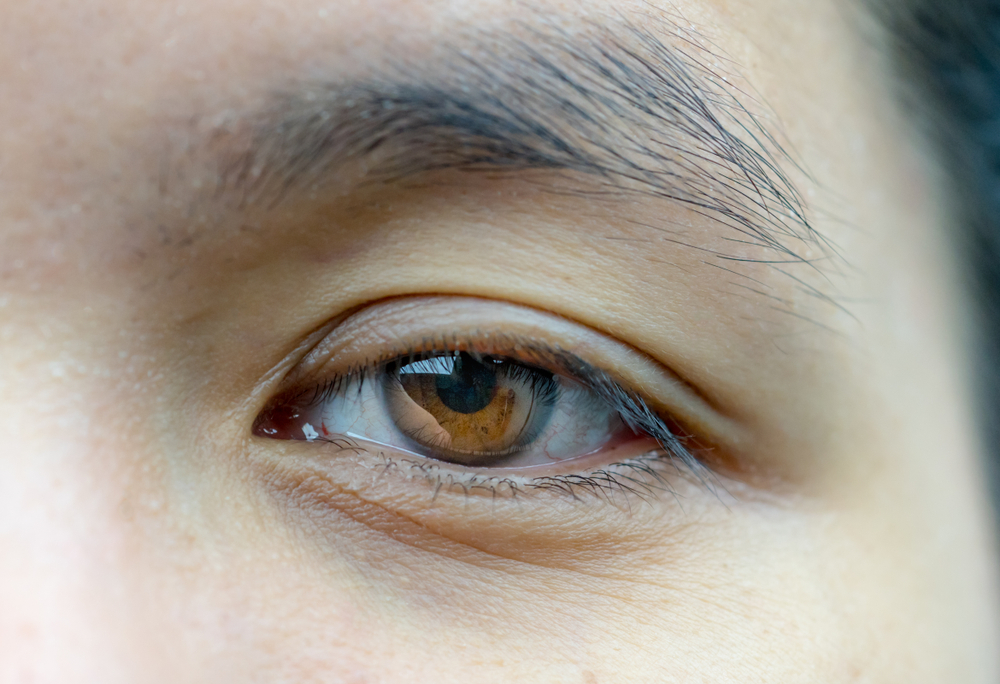
Living with ptosis can affect more than just the appearance of your eyelid. For many, it brings subtle but persistent challenges, from struggling to keep the eyes open for long periods, to tilting the head in order to see the full field of vision, to coping with the frustration of looking more tired or withdrawn than you actually feel. Whether the condition has developed gradually or been present since childhood, ptosis influences not only how you see the world but also how the world perceives you.
While not every case requires immediate treatment, understanding how ptosis impacts daily life is important. This page offers guidance for managing the physical and emotional aspects of ptosis, what to watch for as it progresses, and how to know when it’s time to seek specialist care.
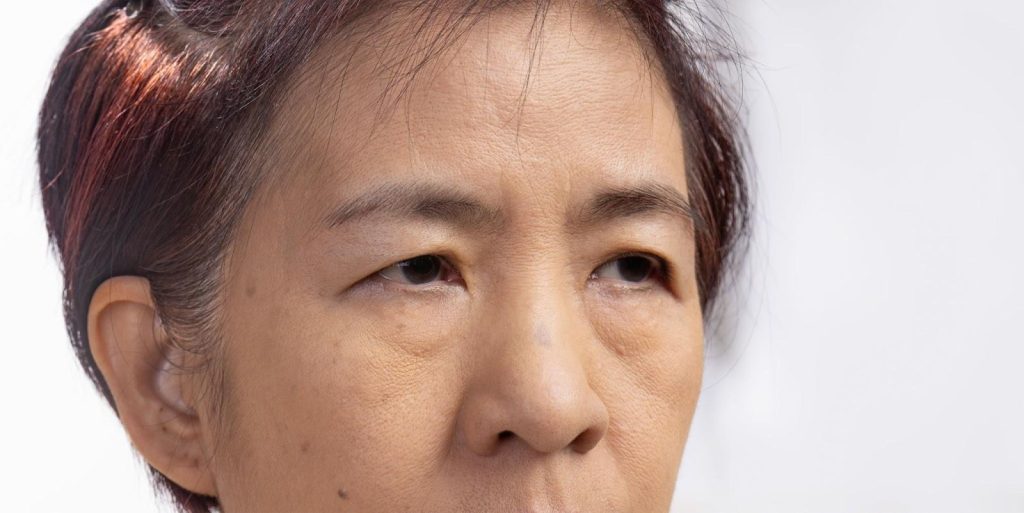
Life with ptosis often means dealing with small but noticeable challenges throughout the day. For some, it starts with the feeling that one eye seems more tired or heavier than the other. For others, it may be the habit of lifting their eyebrows or tilting their head just to see clearly.
Common daily effects include:
Beyond the physical discomfort, ptosis can also affect confidence, especially in social or professional situations where eye contact and facial expression matter. These daily challenges can be subtle but persistent, making it important to understand your options for support and treatment.
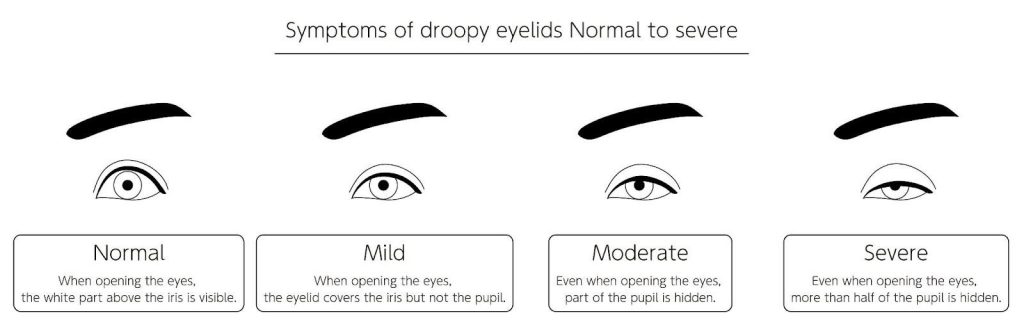
Yes, ptosis can affect both your visual field and overall eye comfort, especially when the upper eyelid droops far enough to cover part of the pupil. In many cases, the upper field of vision is reduced, making it harder to see things directly above eye level, like traffic lights, overhead signs, or even someone’s face during conversation.
To compensate, many people with ptosis unconsciously develop habits such as tilting their head back, raising their eyebrows, or widening their eyes—actions that can lead to forehead fatigue, eye strain, and tension headaches over time.
In addition, incomplete eyelid closure or prolonged effort to keep the eyes open can contribute to dryness, irritation, or a gritty sensation. If these symptoms persist or begin to interfere with your daily routine, it’s worth seeking medical advice.
For many individuals, ptosis isn’t just a physical condition; it also affects how they feel about themselves. A drooping eyelid can create the appearance of tiredness, disinterest, or uneven facial expression, even when you are feeling alert and engaged.
In social or professional settings, this can lead to self-consciousness, especially when others mistakenly assume you are fatigued, unwell, or unapproachable. For teens and working adults, ptosis may impact self-esteem, making them more reluctant to engage fully in conversations, photos, or public interactions.
Although every person experiences ptosis differently, it's common for individuals to feel a sense of frustration or embarrassment over how their appearance is perceived. If these emotional effects are persistent, discussing options with a specialist can help restore both visual function and confidence.
In some cases, ptosis remains stable for years. In others, it may progress gradually, especially if it's related to ageing, muscle weakness, or a neurological condition. Over time, the eyelid may droop further, leading to increased visual obstruction or more noticeable asymmetry between the eyes.
Straining to keep the eyes open, through constant eyebrow lifting or head tilting, can lead to muscle fatigue, tension headaches, and even changes in posture. These compensatory habits may worsen the physical effects of the condition.
If ptosis is mild and not affecting your vision or quality of life, it may just require monitoring. But if the drooping is worsening or beginning to interfere with daily function, it’s best to seek medical evaluation to understand your options.
While surgery is the most effective solution for moderate to severe ptosis, there are non-surgical options that may help manage mild cases or provide temporary relief.
These non-surgical ptosis management strategies are generally supportive or temporary and are best discussed with a specialist to determine whether they are suitable for your condition.
Ptosis in children isn’t just a cosmetic concern; it can impact how their eyes develop and how they function in everyday life. Recognising the signs early and seeking specialist care can make a meaningful difference.
If a drooping eyelid starts interfering with how you see, how your eyes feel, or how you feel about your appearance, it’s time to speak with a specialist. Ptosis isn’t just a cosmetic concern; it can affect daily comfort, vision, and confidence.
Many people with ptosis adapt without realising how much it’s affecting them, until it starts limiting daily tasks or causing visual discomfort. If you find yourself avoiding photos, struggling to see clearly, or feeling self-conscious, professional evaluation can help.
Ptosis tends to worsen slowly, but in some cases, it can signal underlying nerve or muscle issues. Early diagnosis ensures timely treatment and may prevent long-term complications, especially in children or older adults.
Living with ptosis can be frustrating, especially when it limits your visual field, causes fatigue, or affects your confidence. From the physical strain of constant head tilting and eye fatigue to the emotional impact of appearing tired or unbalanced, its effects can reach far beyond appearance. While some people manage with supportive measures like crutch glasses or lubricating drops, these options are usually temporary.
Children with ptosis require early attention to protect visual development, and adults should seek care when symptoms begin to interfere with comfort or quality of life. Ptosis doesn’t have to define your daily experience — from non-surgical support to lasting correction, effective solutions and compassionate care are available to help you move forward with confidence.
Concerned About How Ptosis Is Affecting Your Life?
Book a consultation with Allure Plastic Surgery to explore your options, whether it’s monitoring, managing, or planning for surgical correction.

Mon-Thu : 10am - 6pm
Fri : 10am - 8pm
Sat : 10am - 3pm
Sun & PH : Closed
Copyright © Allure Plastic Surgery (A subsidiary of Beyond Medical Group) | Terms & Conditions